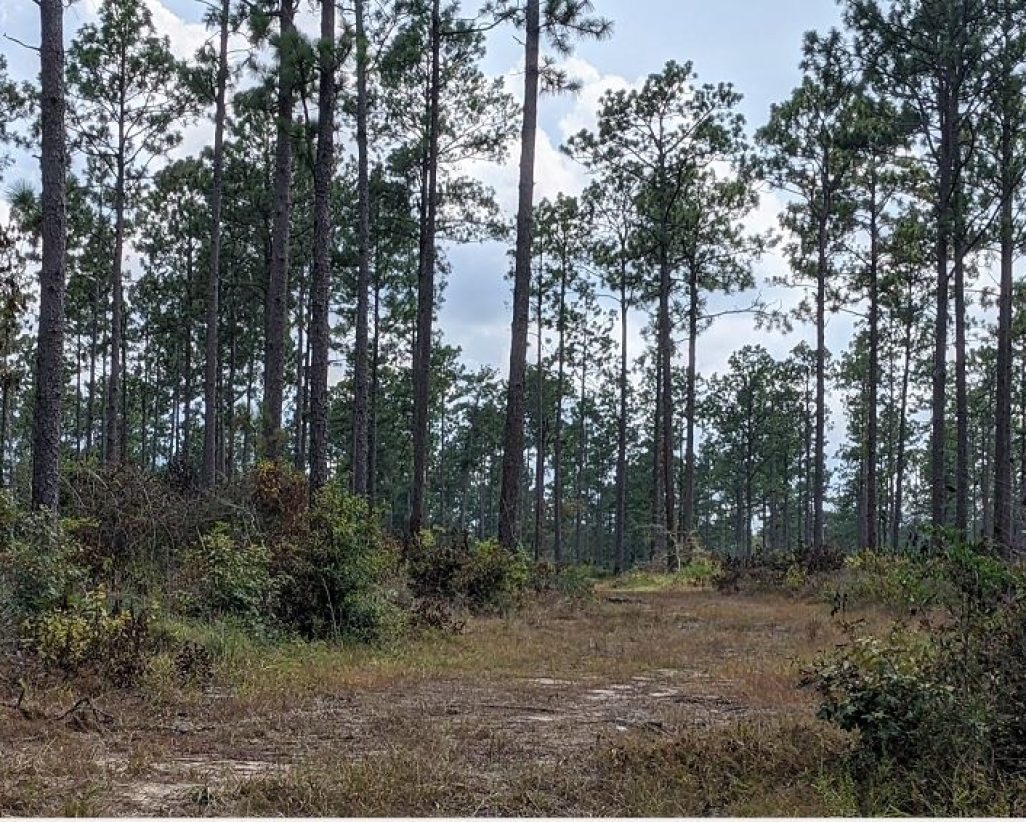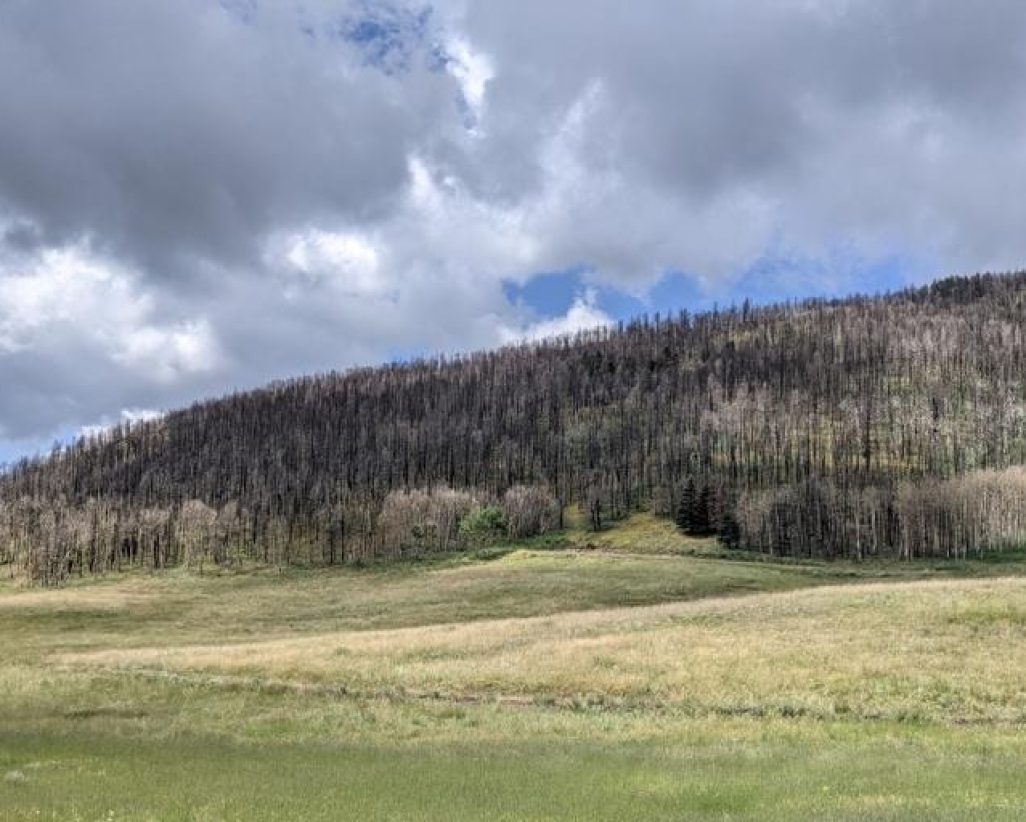
This project will focus on restoring, improving, and protecting longleaf pine ecosystems within the Longleaf Ridge and Big Thicket SGAs. These two areas are priority sites in the America’s Longleaf Range Wide Conservation Plan. They mark the western edge of the longleaf pine’s historic range, and without focused technical and financial support, the opportunity to restore and enhance these ecosystems could be lost.
Managing longleaf pine in these regions aligns with the goals of several key organizations, including the National Forests and Grasslands in Texas (NGFT), U.S. Fish and Wildlife Service (USFWS), Texas A&M Forest Service (TFS), Texas Parks and Wildlife Department (TPWD), and other partners. Together, they aim to support biodiversity, fire management, wildlife habitats for both game and non-game species—including threatened and endangered species—as well as overall forest health and resilience.
The following are the planting locations
Big Thicket and Longleaf Ridge SGAs. Priority areas that will be targeted are within Angelina, Chambers, Cherokee, Hardin, Houston, Jasper, Jefferson, Liberty, Nacogdoches, Newton, Orange, Panola, Polk, Rusk, Sabine, San Augustine, San Jacinto, Shelby, Trinity, and Tyler Counties of Texas.
Ecological Benefits
The proposed project will benefit all native wildlife species in the Strategic Geographic Areas (SGAs), with a special focus on several key species of concern. These areas are home to the federally endangered red-cockaded woodpecker (RCW), the last known populations of the threatened Louisiana pine snake in Texas, the Bachman’s sparrow, and many other unique species.
The Longleaf Ridge SGA spans 117,000 acres across the southern parts of the Angelina and Sabine National Forests. It includes two designated Habitat Management Areas (HMAs) for the RCW, which supported 63 RCW family groups as of 2012. Over the past five years, RCW populations have grown by 6% in the Angelina and 8% in the Sabine National Forests, suggesting that ongoing forest restoration efforts are having a positive impact.
The Big Thicket SGA is rich in rare plant species, including the Texas trailing phlox, white firewheel, scarlet catchfly, and Chapman’s orchid. It also features many unique and scenic natural areas, making it a high-priority site for conservation. Notably, it contains some of the last remaining wet longleaf pine savannas in Texas—an ecosystem increasingly threatened by urban development and fire suppression. Pitcher plant bogs are also found in this region.
This project aims to directly benefit all species in the area by restoring and enhancing longleaf pine habitats. Planned efforts include prescribed burning, controlling hardwood encroachment with herbicides, reducing overstory density, and promoting native groundcover. Additionally, strategic restoration on private lands will help connect fragmented longleaf pine habitats to the National Forest and other major conservation areas within the SGAs.
Read more here: Making An Impact With Longleaf Pine – One Tree Planted