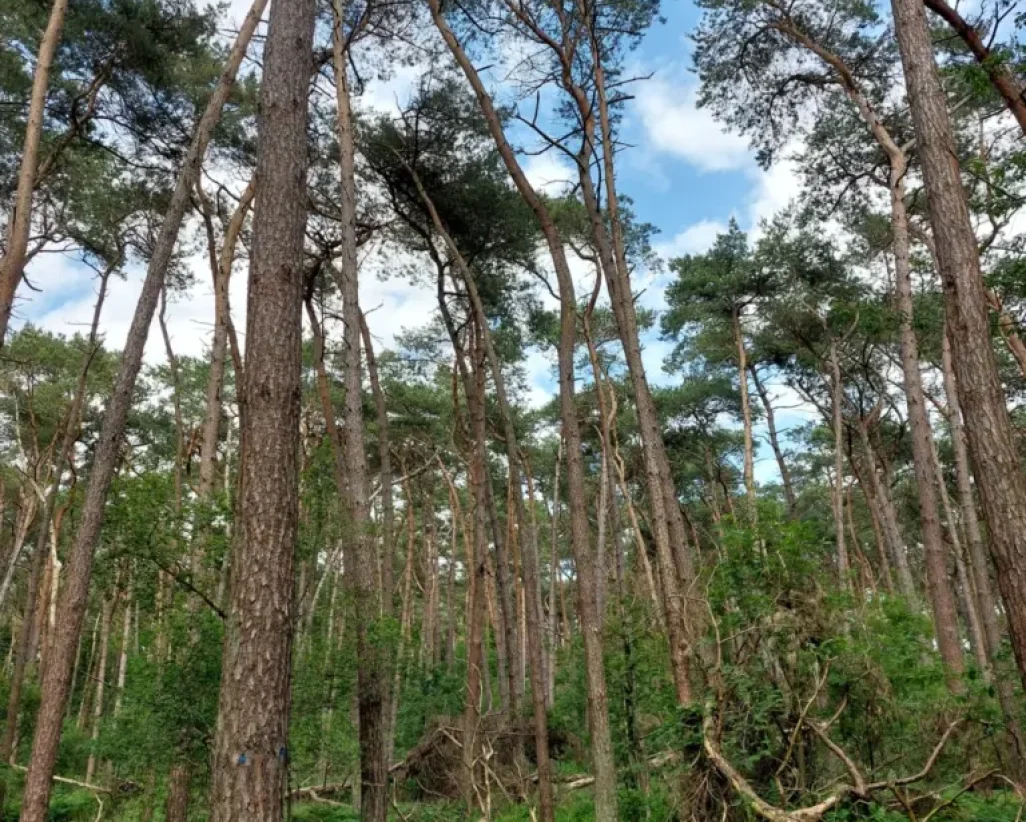
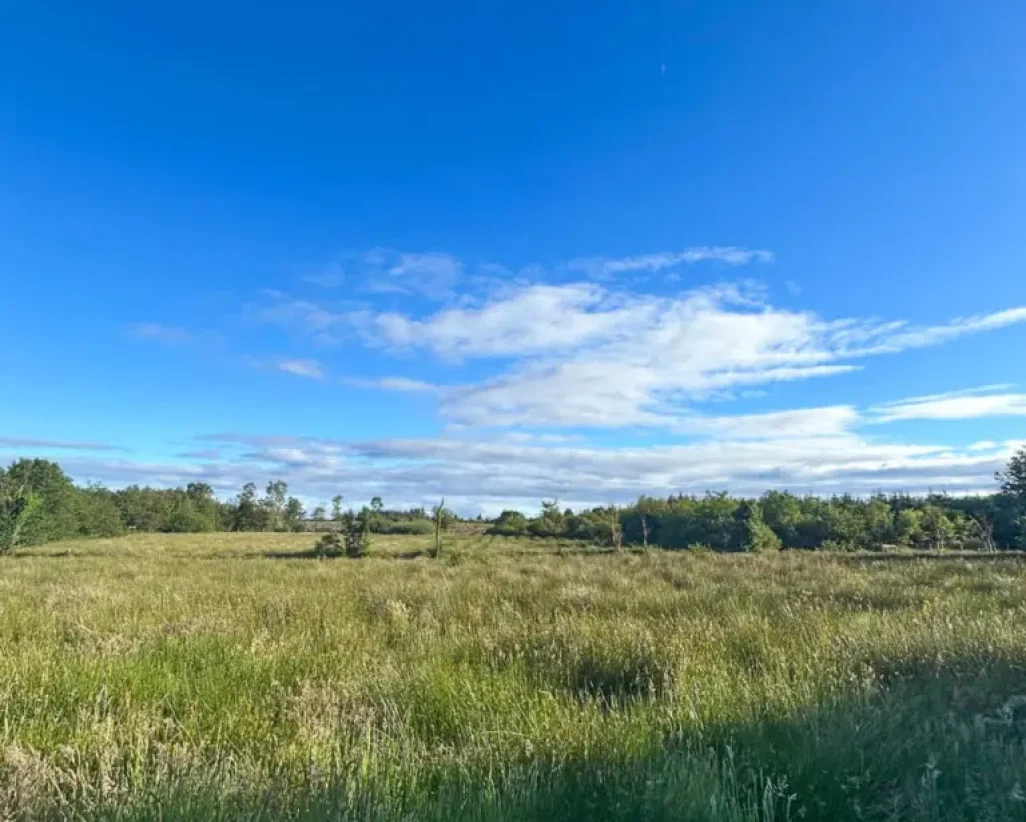
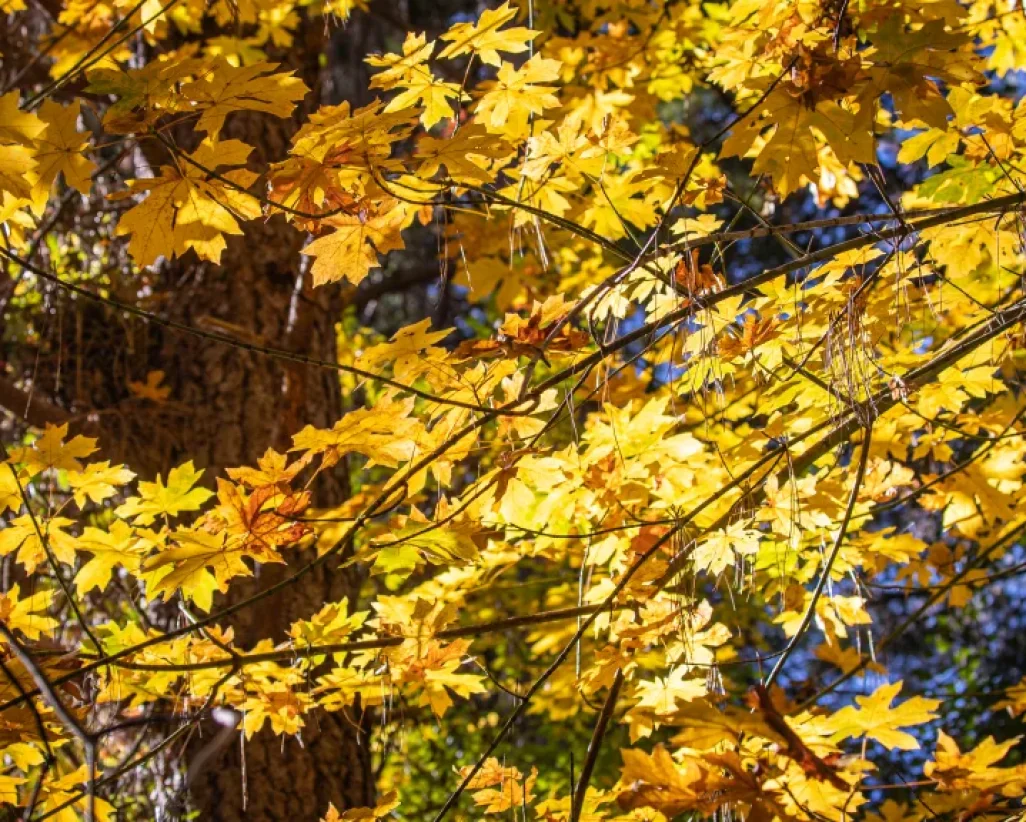
In Westmalle, Belgium, we’re supporting a restoration project of 112-hectare forest and help it become healthier and more resilient for the future. Through Assisted Natural Regeneration (ANR), the forest’s natural recovery is supported by creating the right conditions for young trees to establish and grow. In areas where trees grow too close together, selected trees will be removed to allow more sunlight to reach the forest floor, giving new growth more space to develop.
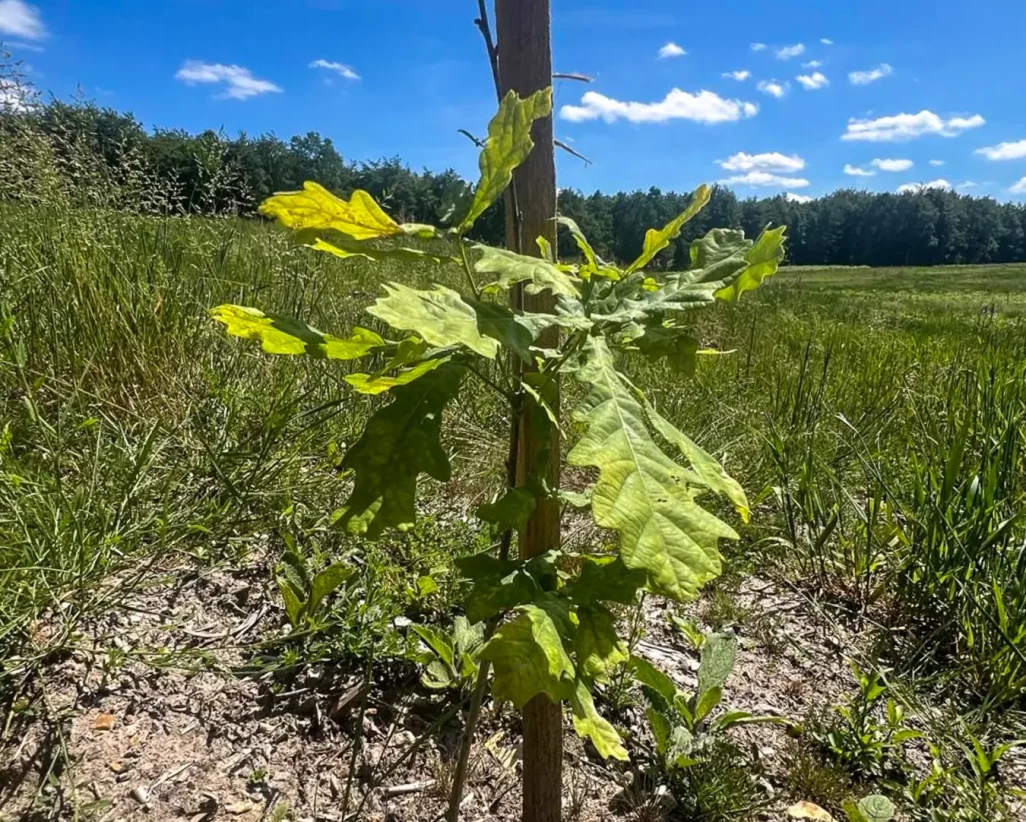
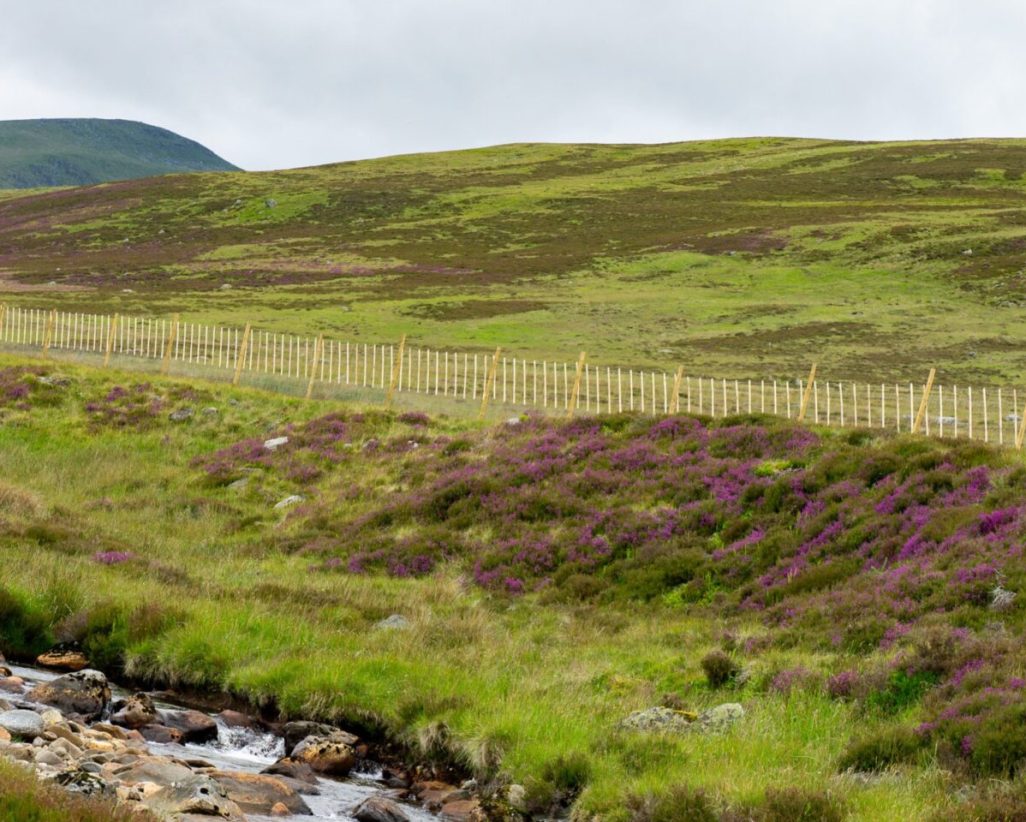
Also the biodiversity is increased by planting a variety of native tree and shrub species, including sessile oak, hornbeam and hazel. These species are naturally suited to the local environment and provide valuable food and shelter for native wildlife. A greater variety of species also helps make the forest more resilient to future challenges, such as drought, diseases and pests. To protect young trees from being eaten by roe deer, mesh fencing is installed around newly planted areas, allowing the trees to grow stronger before facing these natural pressures. By combining these measures, we’re helping create a more diverse, balanced and climate-resilient forest that can continue to thrive for generations to come.
For more info: Forest restoration in Westmalle (Belgium) – Trees for All