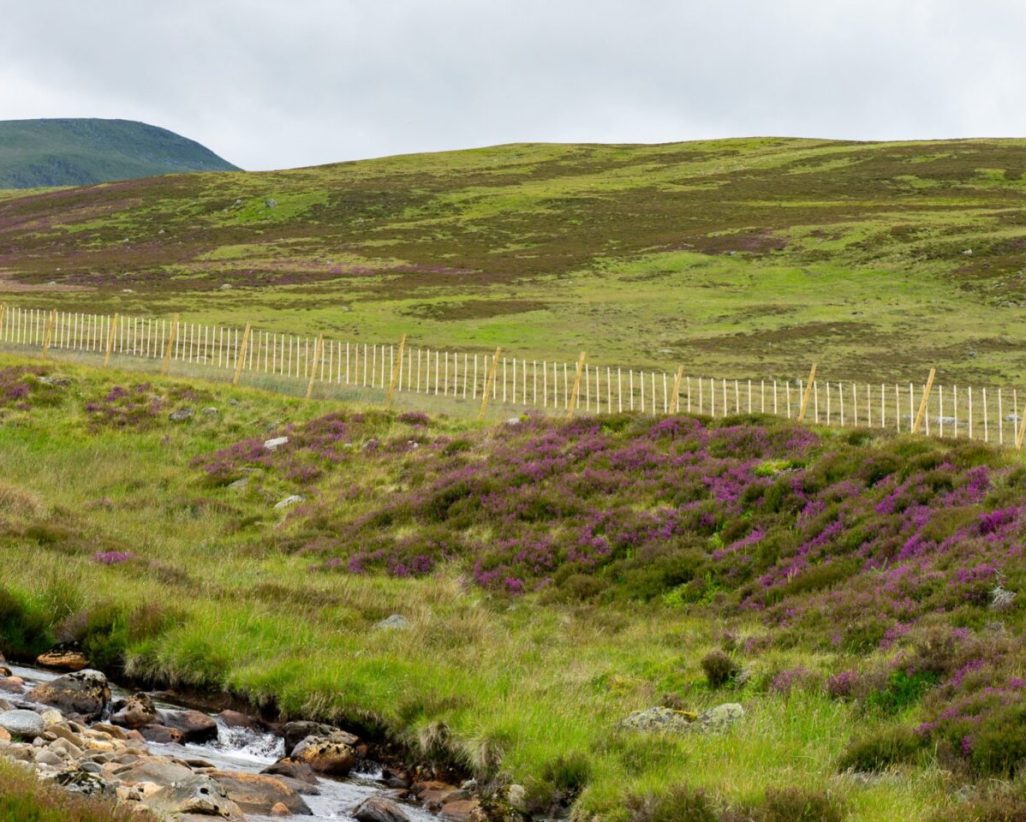
West Virginia is one of the most heavily forested states in the U.S., but its iconic high-elevation red spruce forests have been greatly reduced by logging, fire, and mining. Once covering nearly one million acres, fewer than 55,000 acres remain today.
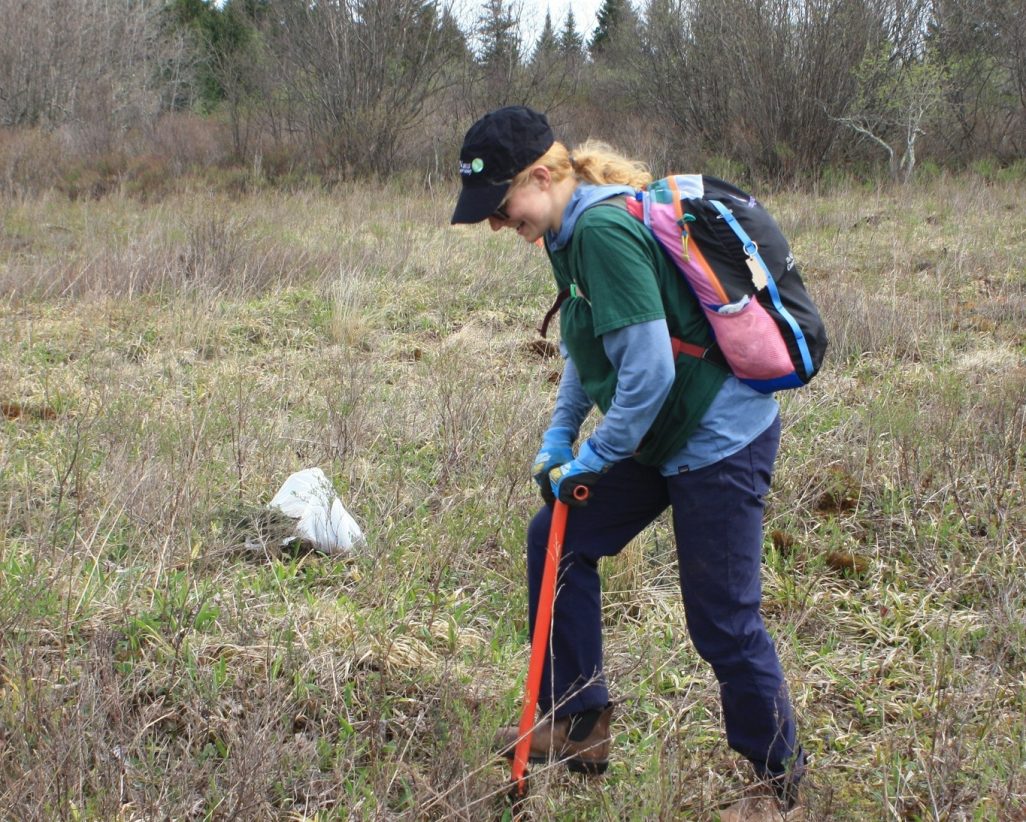
The Cheat Mountain Reforestation Project works to restore these forests within the Monongahela National Forest by planting native tree species that historically shaped the landscape, including red spruce, balsam fir, big-toothed aspen, yellow birch, sugar maple, and eastern hemlock. Restoration activities also include improving soil conditions, restoring wetlands, and removing invasive species to support long-term forest recovery.
These efforts help rebuild wildlife habitat, improve water quality, increase carbon storage, and reconnect fragmented ecosystems. Species that benefit from restoration include the West Virginia northern flying squirrel, Cheat Mountain salamander, black bear, northern goshawk, and native brook trout.
The project also supports local communities by creating jobs in tree planting, nursery operations, and forest stewardship, while strengthening opportunities for recreation and ecotourism.
Together with Evertreen, native forests on Cheat Mountain are restored. The project enhances biodiversity, improves climate resilience, and helps ensure a healthier landscape for generations to come.