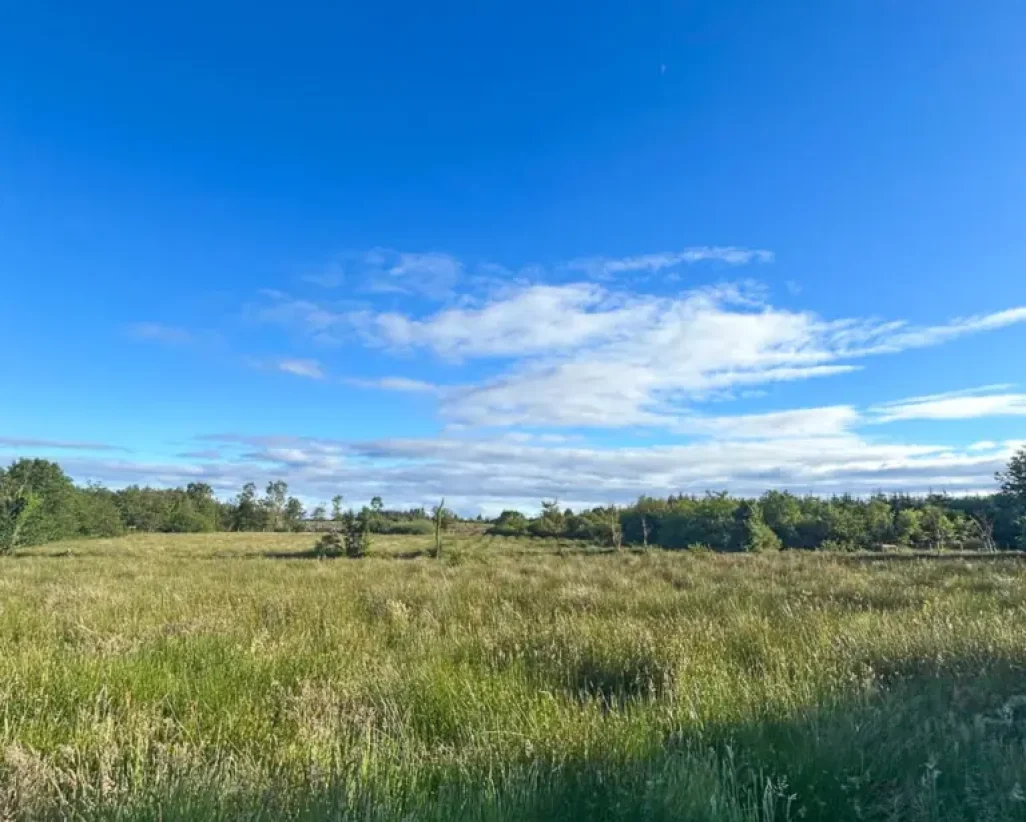
In the Northeast of Portugal lies a beautiful nature reserve, Faia Brava. Unfortunately, more and more nature is disappearing due to forest fires, agriculture and sheep-farming. The region is drying out and the landscape is slowly turning into a monotonous plain. New nature only grows slowly due to the soil being dried out. Together with Trees for All and their local partner, we restore the forests with native trees, such as holm and cork oak.
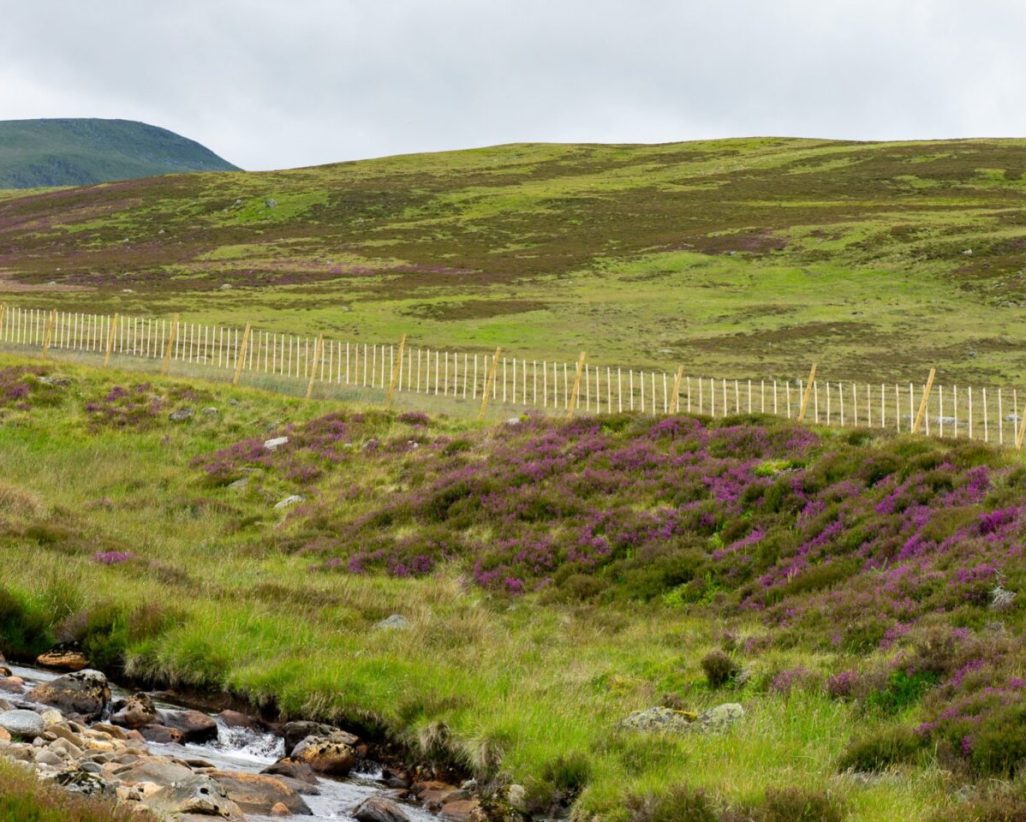
For three years now, we have been planting trees at the Faia Brava nature reserve in Portugal. During this time, several approaches have been tested, learned from, and adjusted, by the local partner of Trees for All; Faia Brava. Some trees are grown in fenced-in areas containing a wide variety of trees and bushes. The high planting density, combined with protection from grazing horses and wild boars, gives the young trees a better chance of survival.
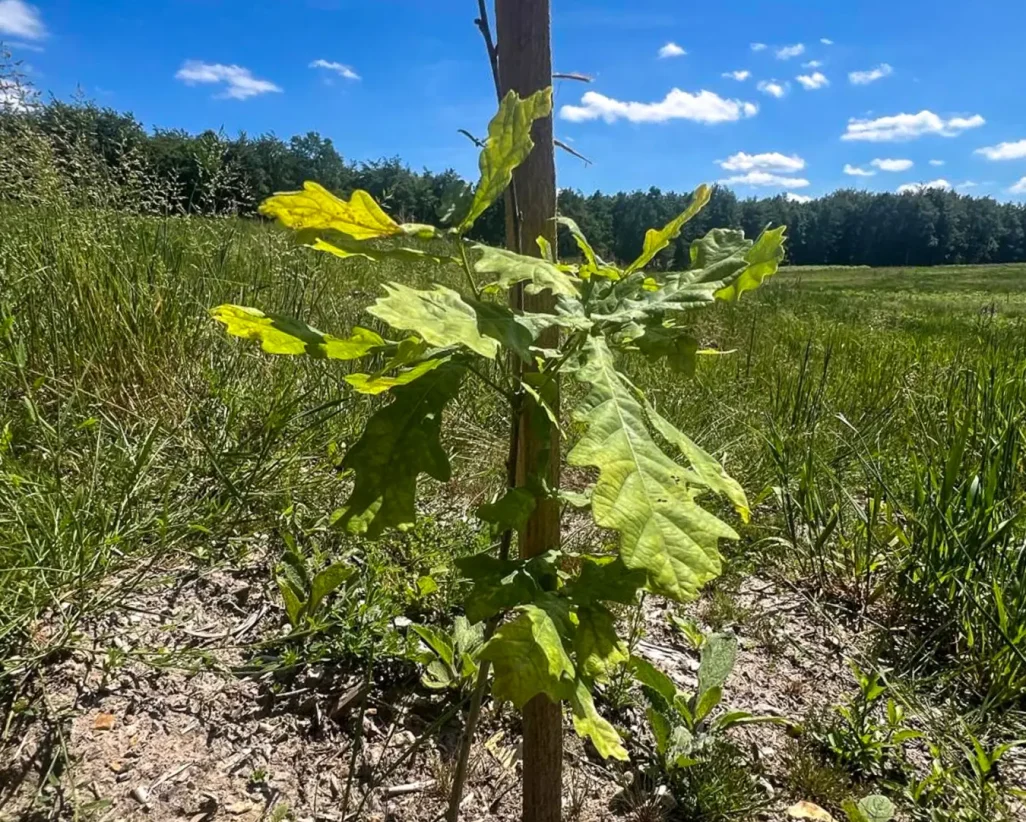
Another method is used in areas that are difficult to access, such as spaces between rocks. Here, acorns are planted, which has proven to be an effective strategy since wild boars do not eat the acorns in these locations. The method has already shown promising results, with several acorns developing into young oak trees.
The native species being planted are holm oaks, junipers, and cork oaks. The first two species are thriving in Faia Brava’s climate. Holm oaks are even naturally dispersing their seeds, reducing the need for manual planting. Cork oaks, however, are facing more challenges due to the dry climate.
Alongside tree planting, measures for fire prevention have also been implemented. The local team has established multiple pools that provide water during dry spells while also enhancing biodiversity in the region. These pools attract various forms of wildlife and contribute to fire prevention efforts. The team also prunes trees to reduce their vulnerability to fire. In addition, firebreaks have been constructed, consisting of strips without vegetation or other flammable materials.
Natural materials such as compost and grasses are also applied around young trees to protect the soil from the sun, wind, and water, while improving its quality. Although the growth of the young trees in this area is progressing slowly, there are clear signs of progress. The three-year-old oaks have already reached knee height.
Still, the young trees continue to face risks such as dehydration and drowning due to the extreme seasonal conditions.
Read more in-depth information from our forestation partner, Trees for All: 22,000 trees planted in Portugal – Trees for All